
The Architecture of Choice: What a Top 16 Movie List Reveals About Narrative, Resilience, and Human Nature
Lists are inherently reductionist. When we pare down a lifetime of media consumption into a definitive "Top 16," the result is rarely just a collection of movies—it becomes a mirror. It highlights not only what entertains us, but what moves us, what challenges us, and how we conceptualize the world.
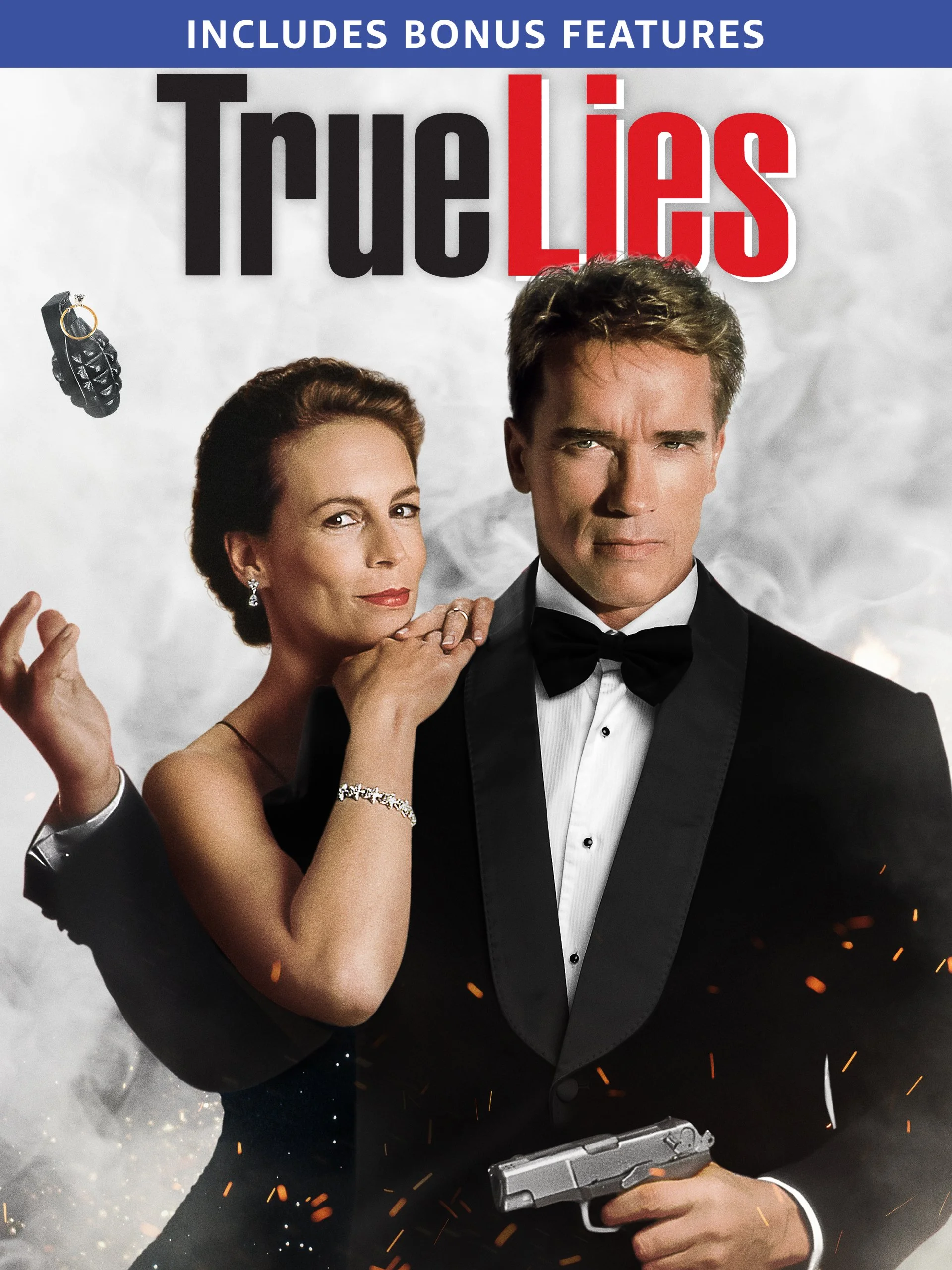
Looking across an eclectic list spanning decades, genres, and narrative structures—The Shawshank Redemption, The Fugitive, Jewels, True Lies, Die Hard with a Vengeance, A Fish Called Wanda, A River Runs Through It, Gladiator, Les Misérables, Crash, The Constant Gardener, Cloud Atlas, Closer, Casino Royale, Anora, and The Sound of Music—a distinct thematic framework emerges.
At first glance, placing Sean Baker’s raw, kinetic Anora or Mike Nichols’ razor-sharp relationship study Closer alongside The Sound of Music and Die Hard with a Vengeance might seem contradictory. However, beneath the surface lies a cohesive exploration of four core human themes: institutional endurance, multi-threaded systems, tactical composure, and emotional grounding.
1. Confronting the Machine: Institutional Endurance and Moral Conviction
A dominant thread running through this selection is the conflict between the solitary individual and an overpowering, rigid system.
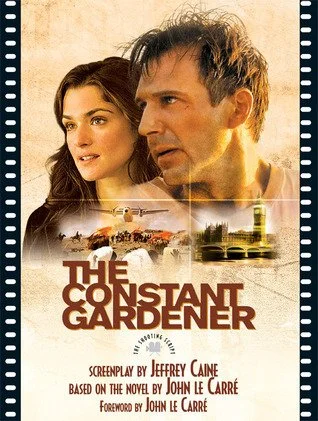
In The Shawshank Redemption, The Fugitive, Gladiator, Les Misérables, and The Constant Gardener, characters find themselves trapped inside institutional machinery whether it is a penal system, a corrupt political empire, state law, or corporate pharmaceutical greed.
What makes these stories compelling is not merely the presence of an adversary, but the quality of the protagonist's response. Andy Dufresne, Richard Kimble, Maximus, Jean Valjean, and Justin Quayle do not win through brute force alone. They win or achieve moral victory through strategic patience, ethical clarity, and quiet persistence.
These narratives suggest a worldview that recognizes institutional power while refusing to be defined by it. They celebrate the long game: the idea that integrity, sustained over time, can breach even the most formidable walls.
2. The Web of Connection: Systems Thinking and Intersecting Fates
Beyond individual struggle, there is a clear fascination with structural complexity and multi-threaded storytelling.
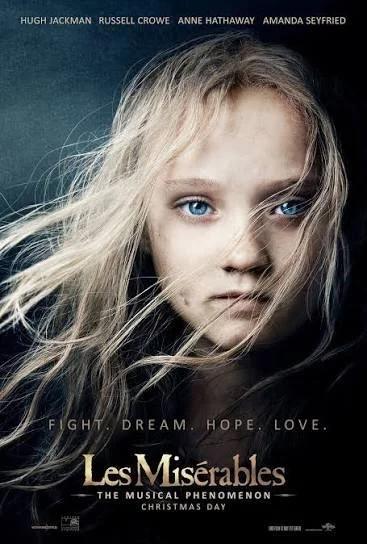
Films like Cloud Atlas, Crash, Les Misérables, and Closer reject linear, single-perspective storytelling in favor of interwoven networks. They demand an audience capable of tracking multiple arcs simultaneously, examining how a single decision ripples across different lives, eras, and social strata.
Cloud Atlas examines causality across centuries, arguing that our actions echo into futures we will never see.
Crash and Closer deal with proximity and impact—how human choices collide in high-density environments, often with unpredictable, destructive, or revealing consequences.
This preference highlights an analytical mindset one that naturally thinks in systems, values interconnectedness, and leans into moral ambiguity rather than neat, binary conclusions.
3. High-Stakes Composure: Wit, Adaptation, and Operational Flair
A narrative needs tension, but more importantly, it needs dynamic problem-solving. A significant portion of this lineup focuses on smart people operating under severe pressure.
Consider the contrast between:
The tight, cat-and-mouse urban puzzle of Die Hard with a Vengeance and The Fugitive.
The reinvention of a classic archetype in Casino Royale, where agility and brutal adaptability replace smooth complacency.
The frantic, unvarnished energy of Anora and the high-wire comedic timing of A Fish Called Wanda.
Whether through action, sharp dialogue, or situational comedy, these films showcase characters who must think on their feet. There is an appreciation here for operational flair watching individuals navigate chaos with wit, speed, and situational awareness.
4. Materiality, Memory, and Moral Anchors
Finally, a life lived entirely in high-stakes tension or complex abstraction is incomplete without emotional grounding.
Bookending the heavy political thrillers and kinetic action sequences are films defined by atmosphere, craft, and deep human roots: A River Runs Through It, Jewels, and The Sound of Music.
A River Runs Through It explores family, tradition, and the quiet poetry of place, demonstrating how nature and craft serve as anchors against life’s inevitable tragedies.
The Sound of Music pairs personal joy and creative expression against the impending shadow of history, reminding us that conviction and warmth can coexist.
Jewels reflects on legacy, endurance, and the passing of time across generations.
These selections reveal an underlying romanticism—a belief that despite the complexity, corruption, and noise of the world, things like craftsmanship, loyalty, family, and art remain foundational.
The Synthesis
When you pull these four threads together, a clear narrative profile takes shape.
This isn't just a list of 16 great movies; it is a philosophy of storytelling. It reflects a mind that respects complex systems, demands high-level execution under pressure, values resilience in the face of institutional weight, and remains deeply anchored in human warmth and conviction.
Ultimately, the stories we return to say less about the screen and more about how we choose to navigate our own lives.